

Watering Plants From The Bottom: The Pros and Cons of This Watering Technique for Houseplants
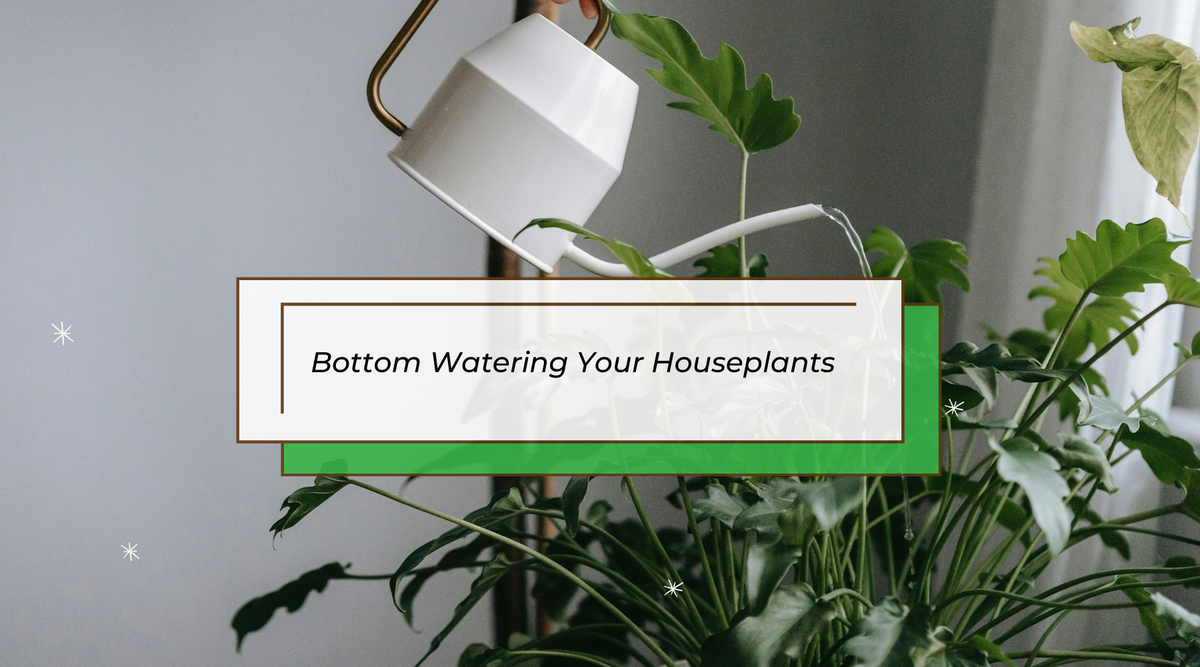
Top watering might be the most common watering method you see online, but it’s not always the most effective. Using a watering can from above can splash water onto leaves, causing wet leaves and potential mildew. Top watering can also cause water pooling and wet leaves, which may lead to rot and disease. What if there was a way to water your plants that delivers water exactly to the roots?
Instead of soaking the surface of the soil and hoping it spreads evenly, bottom watering plants—also known as reverse watering—is an essential method for proper hydration and soil flushing. By allowing indoor plants to absorb water from the base of the pots, roots can pull exactly what they need and leave excess water behind. Bottom watering keeps foliage dry, reducing the risk of mildew and diseases, and is especially useful when you need to water many plants at once.
This blog will give you all the tips for bottom watering plants (some people refer to this as reverse watering) and help you decide the best method for you and your plants.
What is bottom watering?
Bottom watering plants is a watering method where you place your plants in a container, like a sink or tray, filled with water, or add a saucer underneath, and allow them to absorb moisture from the bottom up. Instead of watering from the surface, you pour water into the container or saucer, and the plant's pot absorbs water through its drainage holes as it travels upward through the soil.

A Hoya supported by Cactrella™ being bottom watered using a green Mia™ Saucer by Treleaf
This process happens through capillary action, which is the natural movement of water through small spaces in porous materials, even against gravity. In simpler terms, the soil inside the plant's pot pulls water upward, delivering it directly to the roots where it’s needed most. This allows indoor plants to take in exactly what they need, no more, no less.
Benefits of Bottom Watering Pot Plants
When done correctly, bottom watering comes with a long list of benefits. For starters, it helps indoor plants get water exactly where they need it most, at the roots. Unlike top watering, where dry pockets can easily form in the soil, bottom watering plants ensures the potting mix becomes evenly saturated. Bottom watering ensures most plants receive enough water for proper hydration and promotes moist soil throughout the pot. With top watering, there’s no real guarantee the water is reaching all areas of the soil, which can lead to inconsistent moisture levels. Over time, that inconsistency can cause parts of your potted plant to struggle, resulting in stunted growth or dieback simply because it’s not getting enough water. Bottom watering solves that by fully saturating the lower portion of the soil, the part that actually matters most, rather than just wetting the surface. Water is slowly absorbed from the bottom, ensuring even moisture and preventing soil compaction. Bottom watering is especially effective for watering potted plants, ensuring even moisture and preventing overwatering.
Another major benefit of watering plants from the bottom is control. Bottom watering plants allows your potted plants to absorb exactly what they need, reducing the risk of overwatering. It’s basically your ticket to saying goodbye to root rot since your indoor plants won’t take in more water than necessary.
It’s important to note that bottom watering does not flush out salts and minerals, so you should periodically top water your plants (every 3–5 waterings) to flush out any buildup. Continual bottom watering can lead to a build-up of minerals and excess salts in the growing medium, and signs of overfertilization include discolored leaves and white, crusty buildup on the soil’s surface. Excess salt can accumulate, especially in clay pots, leading to a white crust on the soil's surface and the exterior of the pots. Checking the soil's surface and the top of the soil can help you identify salt buildup. Using tap water for bottom watering can contribute to salt buildup, so sensitive plants benefit from using distilled or rainwater. Every 3–5 waterings, it's recommended to perform a thorough top-watering to flush harmful salts out through the drainage holes. Top watering every few weeks is necessary to flush out salts and minerals that accumulate from bottom watering. It is important to periodically top water plants that are primarily bottom watered to flush out mineral buildup.
And finally, my personal favorite, it helps fight fungus gnats. These tiny pests thrive in moist potting medium and tend to lay their eggs in the first couple inches of the soil surface. By watering from the bottom, you keep the top layer drier, making it far less inviting for them to settle in. Less moisture up top = less larvae in your potting medium.
Equipment Needed for Bottom Watering
Getting started with bottom watering your plants is simple, but having the right equipment makes all the difference. First and foremost, you’ll need a container large enough to comfortably fit your potted plant and hold enough water to reach the bottom of the plant’s pot. This could be a kitchen sink, bathtub, large tray, or a dedicated bottom watering container like our Mia™ Sausr—just make sure it’s deep enough for the water to touch the drainage holes without overflowing onto the soil surface.
A watering can is handy for filling your chosen container with water. If you’re using tap water, consider letting it sit out for a day to allow chemicals like chlorine to dissipate, or opt for distilled or filtered water to help prevent mineral buildup in your potting soil. This is especially important for sensitive plants or if you notice mineral deposits on the soil’s surface.

A Philodendron support by Bella trellis being bottomed watered using a terracotta color Mia™ Sausr by Treleaf
A moisture meter is a great tool to have on hand, as it helps you accurately gauge the moisture level in your potting mix and avoid overwatering. And don’t forget—your potted plants must have drainage holes at the bottom. These holes are essential for allowing excess water to escape, preventing root rot, and ensuring your plants can absorb water efficiently from the bottom up.
With these simple tools—a container large enough for your plant like Mia™ Sausr, a watering can, distilled or filtered water, a moisture meter, and pots with proper drainage holes—you’ll be set up for easy and effective bottom watering.
Tips for bottom watering plants
First, you want to make sure they’re in the right plant pot. You want to use a container with a drainage hole and preferably one that is porous. Terra cotta will be the best to bottom water with versus ceramic or plastic, however, prioritize drainage holes over the material.
Next, consider the potting mix. Bottom watering plants in a potting mix that’s too airy or has too many amendments won’t work. The water needs tiny narrow spaces in order to be absorbed. And potting soil with too many amendments won’t give water the ability to be absorbed. Any mix with at least 50% potting soil is perfect. When adding fertilizer, always mix fertilizer thoroughly with water before bottom watering to ensure even nutrient distribution.
Lastly, consider the size of the container. If you’re moving your indoor plants to the sink or tub to bottom water, consider the weight. Large containers, such as a bathtub, large tray, or large clear tub, can be used to bottom water multiple plants at once or accommodate larger plants, making the process more efficient. Large containers are going to be even heavier after watering, so stick to top watering for larger plants if moving them is difficult.
Wick watering is another technique to maintain consistent moisture for your plants, especially useful when you are away. This method uses a wick or fabric to transfer water from a container to the plant’s soil.
Tip: Use a moisture meter to check the soil’s surface to determine when to water.
Which plants like bottom watering
The short answer is, every plant likes to be bottom watered, however, there's some that will thrive with this method.
Plants with fuzzy leaves
Plants like African violets, Philodendron verrucosum, or certain fuzzy cacti. This is an easy watering method and will ensure the foliage stays fuzzy and beautiful.
Foliage that can rot easily
Sometimes you have plants that will rot at the base if water gets trapped in the crown. Such as snake plants, begonias, and certain succulents. Try bottom watering these plants to keep the rot at bay.
Indoor plants with dense and large foliage
It's difficult for these type of potted plants to be full watered when top watering. Bottom watering will ensure they get the water they need.

A thick, mature potted Dieffenbachia amongst other foliage
Hydrophobic soil
Hydrophobic soil happens when you don't water for an extended amount of time. Instead of absorbing water, the potting mix will repeal the water. Bottom watering will help the hydrophobic soil return to normal.
Risks and Considerations of Bottom Watering
While bottom watering is a fantastic way to keep your plants hydrated, there are a few important risks and considerations to keep in mind. One of the main concerns is root rot, which can occur if your potting soil stays too wet for too long. To prevent this, always check the moisture level of your soil with a moisture meter or your finger, and avoid letting your plant sit in water for extended periods. Well-draining potting soil is key to making sure excess water doesn’t linger around your plant’s roots.
Another thing to watch out for is the gradual buildup of excess salts in the potting soil, especially if you regularly use tap water. Over time, minerals and salts can accumulate, potentially harming your plant. To minimize this, use distilled or filtered water when possible, and every few months, water your plants from the top to flush out any excess salts.

Fungus gnats can also become an issue if the surface of your soil stays too moist. To discourage these pests, allow the top layer of your potting mix to dry out slightly between waterings. This makes the environment less inviting for gnats to lay their eggs.
Finally, remember that not every plant will thrive with bottom watering. Some plants prefer their soil to dry out more between waterings, while others may need a different approach. Always research the specific needs of your plants and adjust your watering method accordingly. By staying mindful of these considerations, you’ll be able to water your plants from the bottom confidently and keep your indoor garden healthy and happy.
How to Bottom Water Your Plants
-
Fill a sink or container with room temperature water and make sure the water level covers the bottom inch of the plant pot. Using room temperature water helps prevent shocking your plants. For small pots (2-10 inches), the Mia Sausr from Treleaf is perfect for bottom watering a single potted plant or multiple nearby plants.
-
Let the plant sit in the water and soak up the water for 10 to 20 minutes and allow the soil to absorb moisture. Smaller plants absorb water more quickly and may need less time to soak, while larger pots may require a bit longer. Check that the top layer feels moist before removing the plant.
-
Remove the pot from the sink, let it drain, and place it back in its place. Alternatively, saucers like Mia are perfect to use for bottom watering plants without moving them. Simply place Mia under the plant, add water, and over time the water will be absorbed.