



Latest News
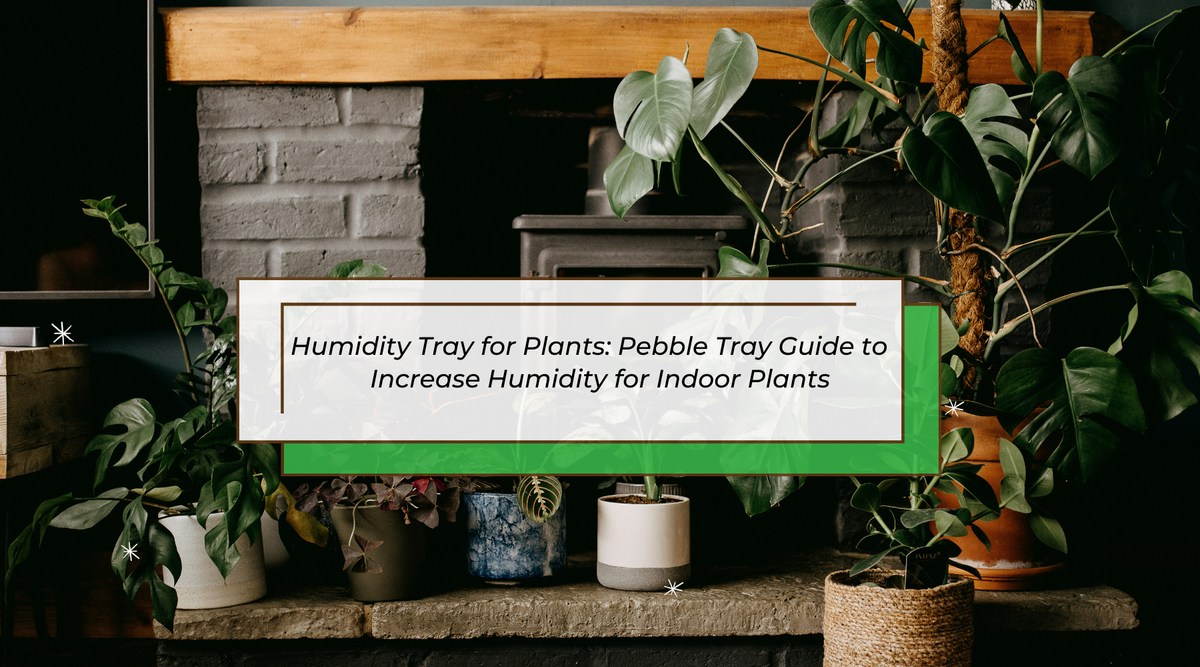
Humidity Tray for Plants: Pebble Tray Guide to Increase Humidity for Indoor Plants
Continue reading
If your home feels a little dry, chances are your houseplants—plants grown inside the house—are feeling it too. Most popular plants come from tropical environments where high humidity is the standard. When that moisture disappears, leaves can start crisping, curling or just losing their usual glow. Thankfully, you don’t need a full rain forest to keep your tropical indoor plants thriving. Simple hacks, like adding a pebble tray and humidifier, can bring back that humid air your houseplants crave.
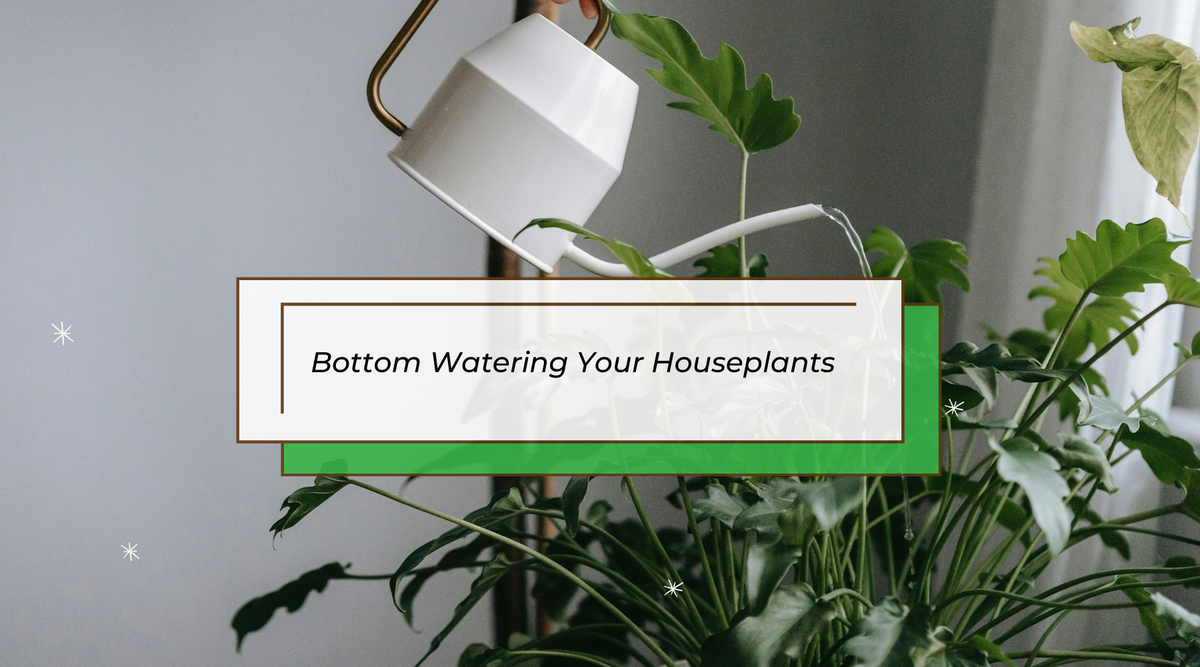
Watering Plants From The Bottom: The Pros and Cons of This Watering Technique for Houseplants
Continue reading
Top watering might be the most common watering method you see online, but it’s not always the most effective. Using a watering can from above can splash water onto leaves, causing wet leaves and potential mildew. Top watering can also cause water pooling and wet leaves, which may lead to rot and disease. What if there was a way to water your plants that delivers water exactly to the roots?
Instead of soaking the surface of the soil and hoping it spreads evenly, bottom watering plants—also known as reverse watering—is an essential method for proper hydration and soil flushing. By allowing indoor plants to absorb water from the base of the pots, roots can pull exactly what they need and leave excess water behind. Bottom watering keeps foliage dry, reducing the risk of mildew and diseases, and is especially useful when you need to water many plants at once.

2025 Holiday Gift Guide for Plant Lovers
Continue reading
New plant parent? Rare collector? Living room already a tropical greenhouse? This Treleaf Holiday Gift Guide has you covered. From modern wooden trellises to under $20 houseplant essentials, every pick makes plant care easier and plant corners look intentional.
Here are the best Treleaf gifts for 2025 - curated by plant parents, for plant parents.
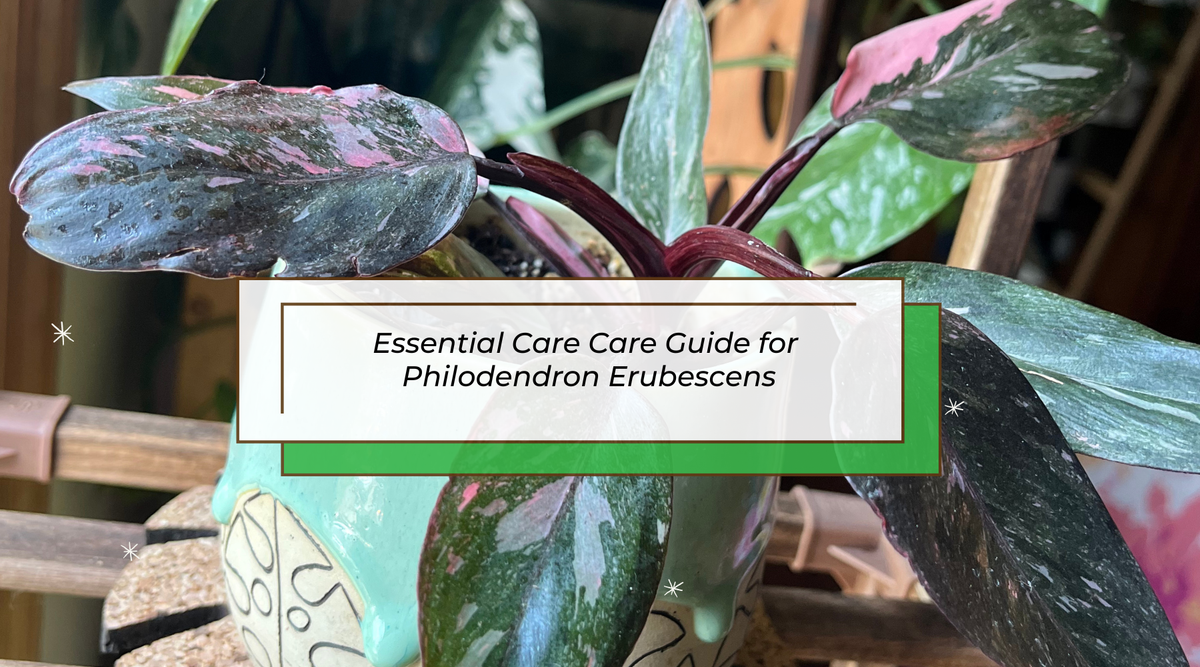
The Essential Guide to Caring for a Philodendron Erubescens
Continue reading
Philodendron erubescens is a stunning species from the Philodendron genus, best known for its heart shaped leaves and vibrant foliage that thrive in bright indirect light. Native to South America, this upright climbing houseplant adds a lush, tropical touch to any indoor space while requiring minimal attention making it perfect for both new and experienced plant parents. Some notorious Philodendron erubescens cultivars you may know are the Pink Princess, Birkin, White Wizard, Painted Lady and Red Cardinal. All known for their colorful, eye catching leaves.
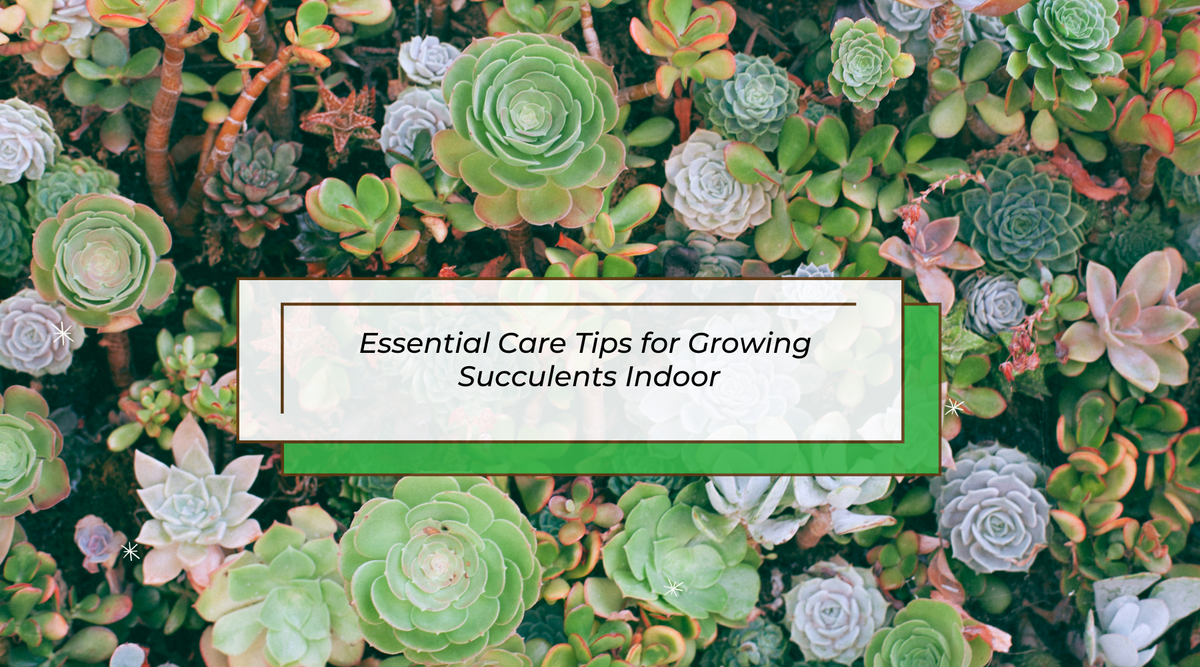
Essential Care of Succulents Indoors: A Simple Guide for Success
Continue reading
Succulents have become a favorite for indoor plant parents. These resilient plants are known for their ability to store water in their thick, fleshy leaves and stems, which makes them incredibly well suited for dry indoor conditions. Unlike many other houseplants that may struggle without frequent waterings, succulents thrive on neglect, making them a perfect choice for busy plant parents or beginners who want low maintenance greenery. Succulents are considered low maintenance plants due to their hardy nature, drought tolerance, and minimal care requirements, making them especially appealing for those with busy lifestyles or new to plant care.
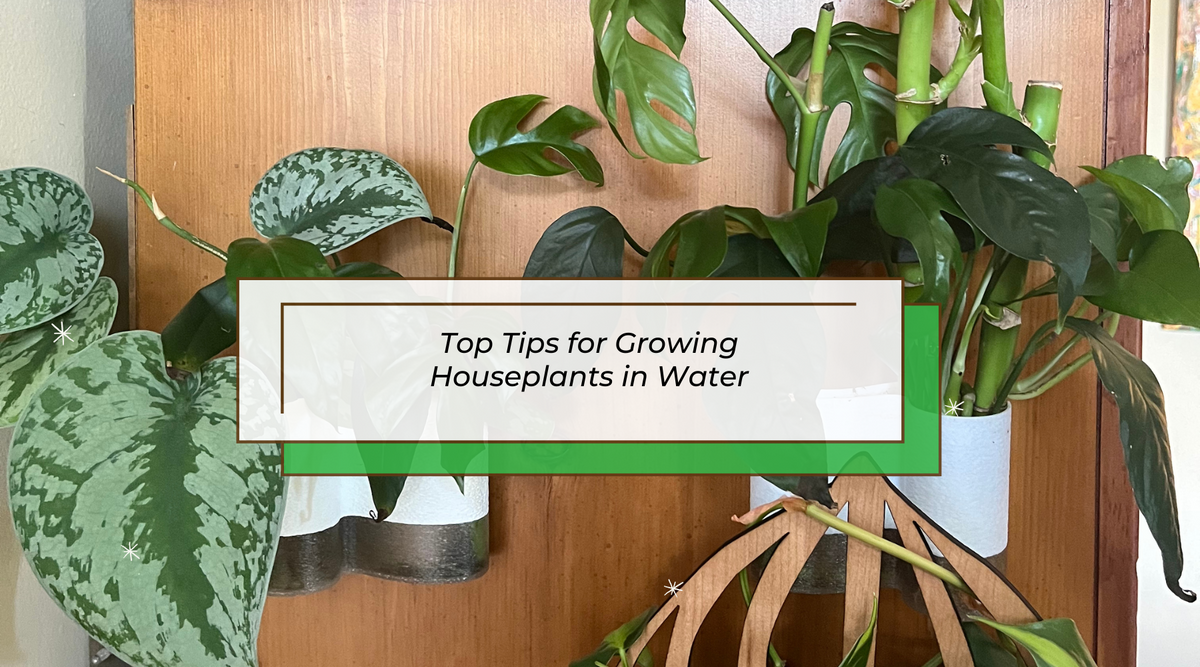
Top Tips for Growing Houseplants in Water
Continue reading
Growing houseplants in water is a simple, low maintenance way to bring fresh greenery into your home, no soil required (and less mess). With just a little care, many popular indoor plants thrive in water alone, making it an ideal option for busy schedules or beginner plant parents. Plus, the possibilities for display are endless; from sleek glass vases to vintage jars, or even quirky upcycled finds. You can choose the contains that perfectly match your personal style. Whether your vibe is minimal and modern or colorful and eclectic, growing houseplants in water adds a unique touch to any style.
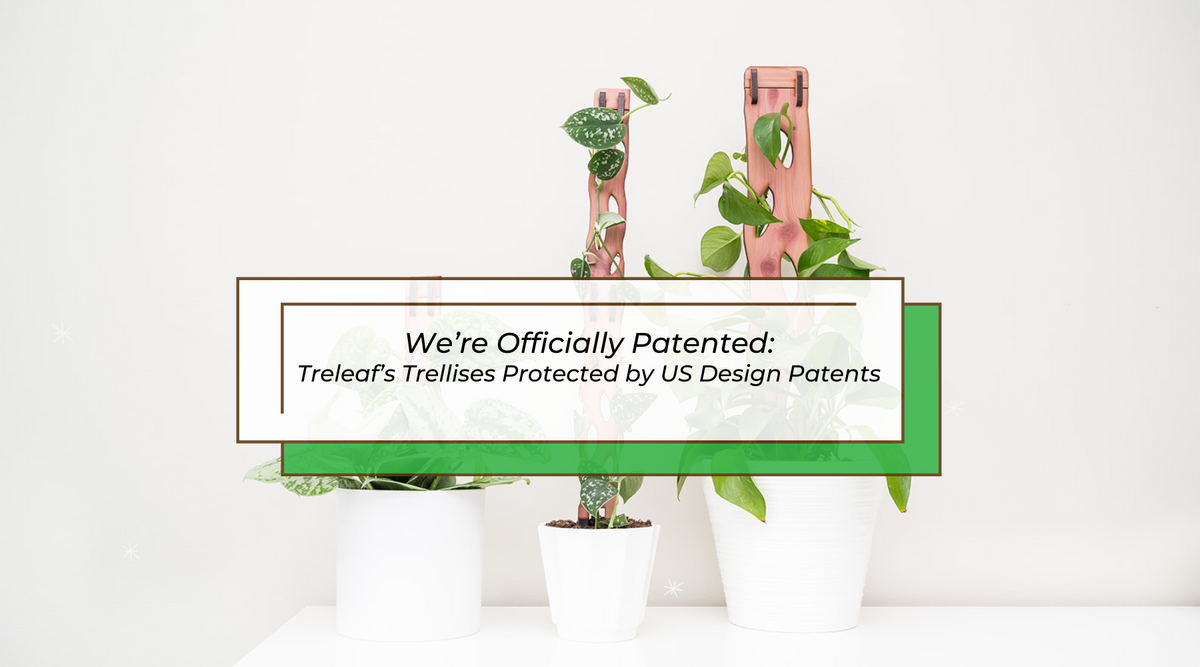
We’re Officially Patented: Treleaf’s Sculptural Trellises Protected by US Design Patents
Continue reading
At Treleaf, we're passionate about creating beautiful, functional support systems for your growing houseplants, and we're proud to say that every single one of our trellises is patented. That means each design is 100% original and thoughtfully crafted to bring something new to your plant care routine
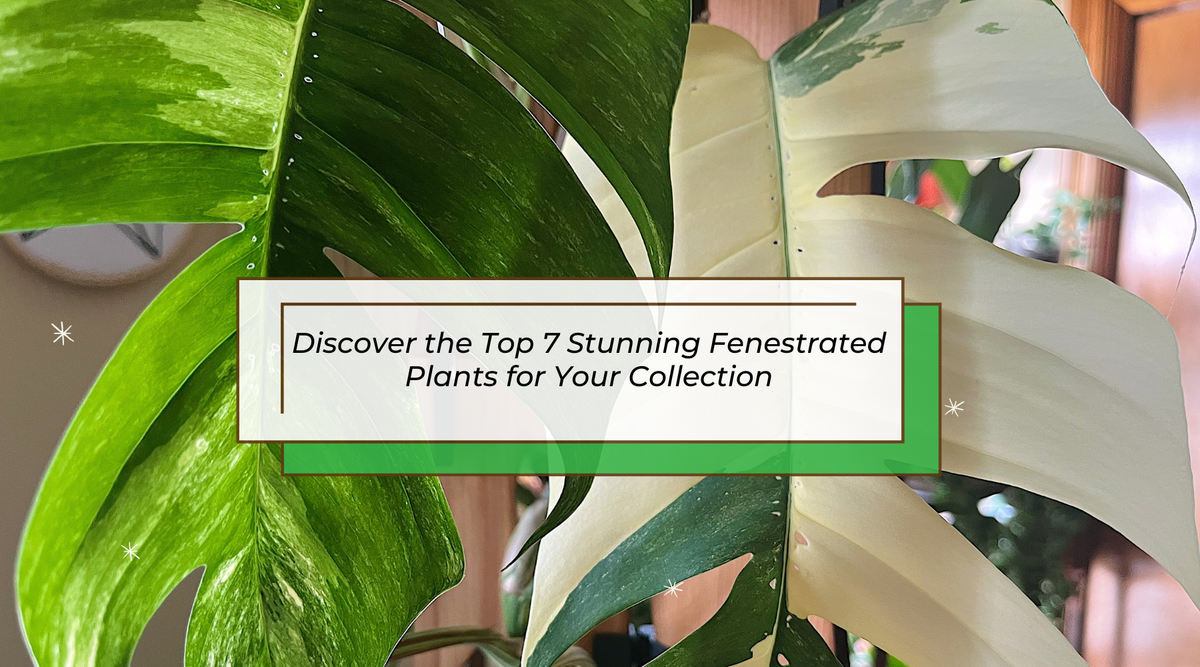
Discover the Top 7 Stunning Fenestrated Plants for Your Collection
Continue reading
Fenestrated plants, characterized by leaf holes or splits, exhibit unique leaf morphology and are highly sought after for their beauty and ability to drastically change as they continue to mature. There are several theories and several possibilities for why fenestration occurs, including adaptation to environmental conditions. The presence of leaf fenestration, such as those found in Monstera leaves, is believed to form for many different reasons, such as preventing foliage tear during intense weather, helping facilitate air flow, and to capture light better.
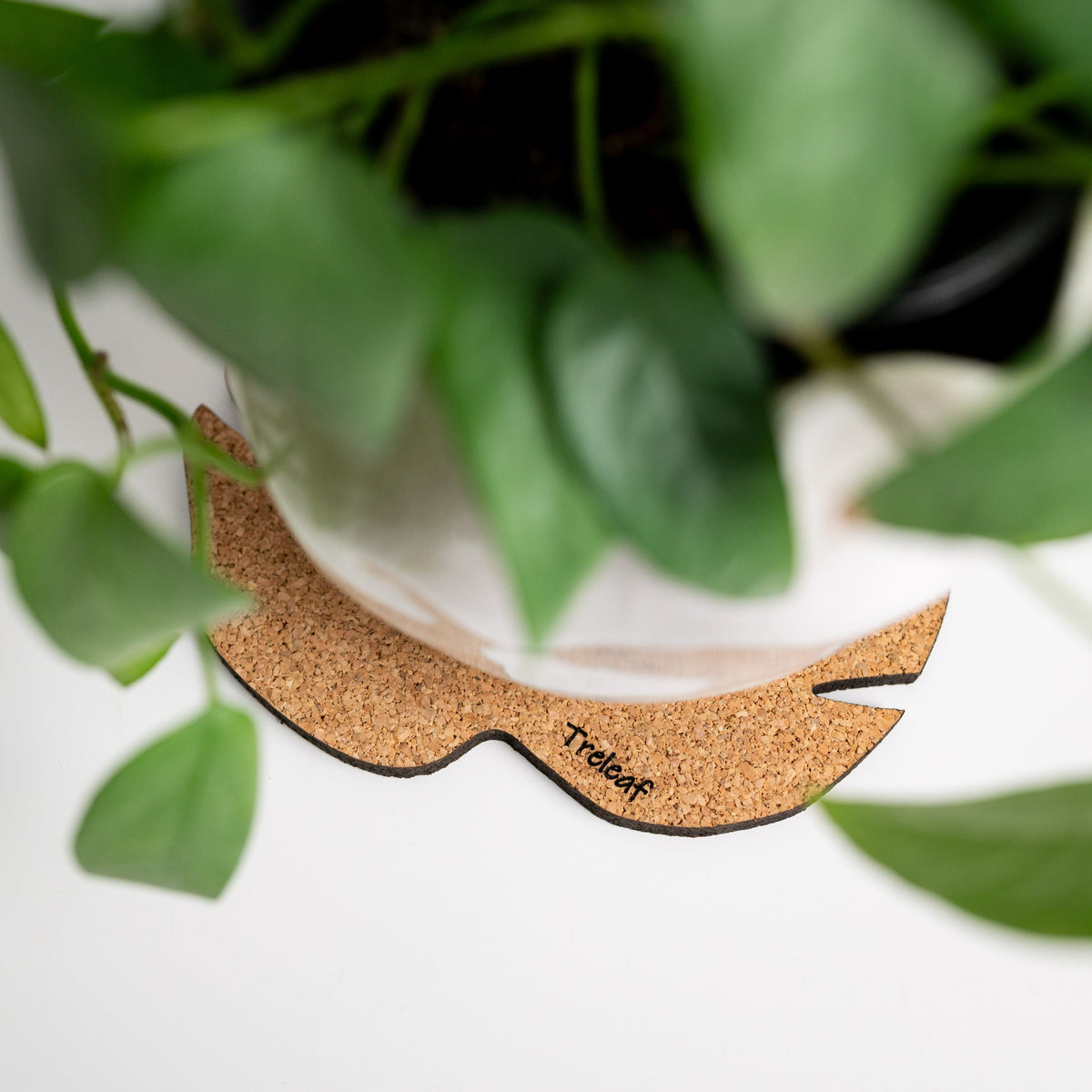
Kostr, Reimagined: A Simpler, Smarter Coaster
Continue reading
We’ve updated our popular Kostr coaster with a cleaner, all-cork design. Find out why we simplified it—and how it’s now better for your plants, your home, and the planet.
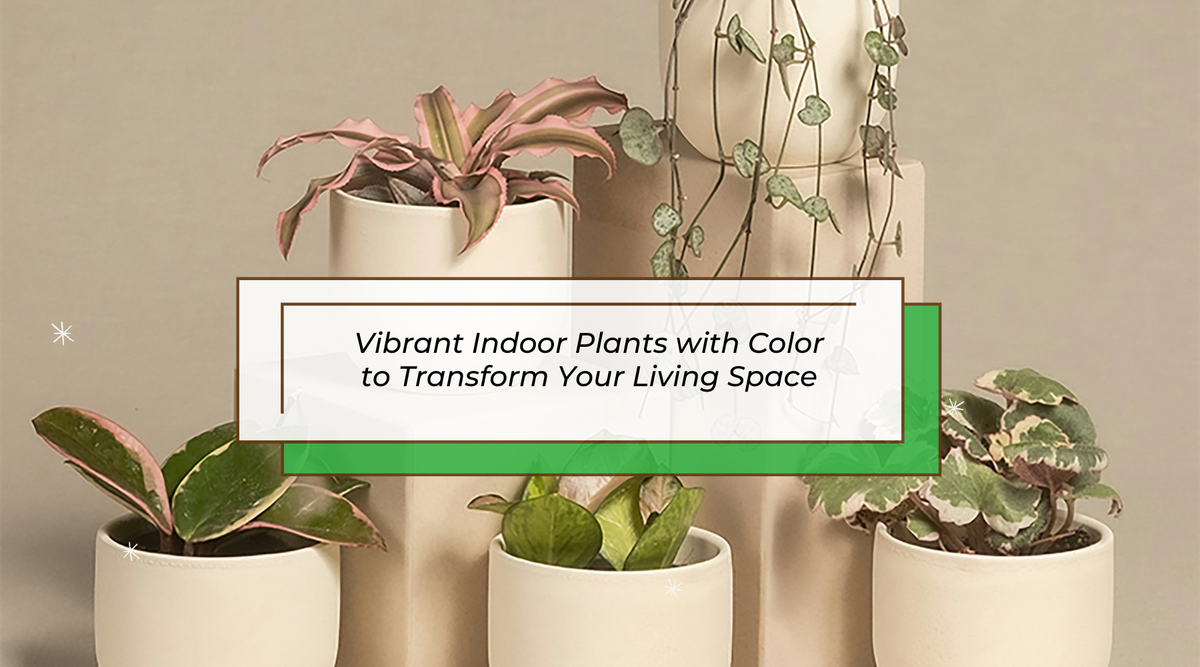
Vibrant Indoor Plants with Color to Transform Your Living Space
Continue reading
Looking to brighten up your home with a splash of natural color? This blog explores a wide selection of colorful houseplants that go beyond the basic green. We've carefully selected the most eye catching indoor plants that add personality and charm to any space. Whether you're a seasoned plant parent or just starting your plant collection, these stunning varieties are sure to inspire your next plant purchase!
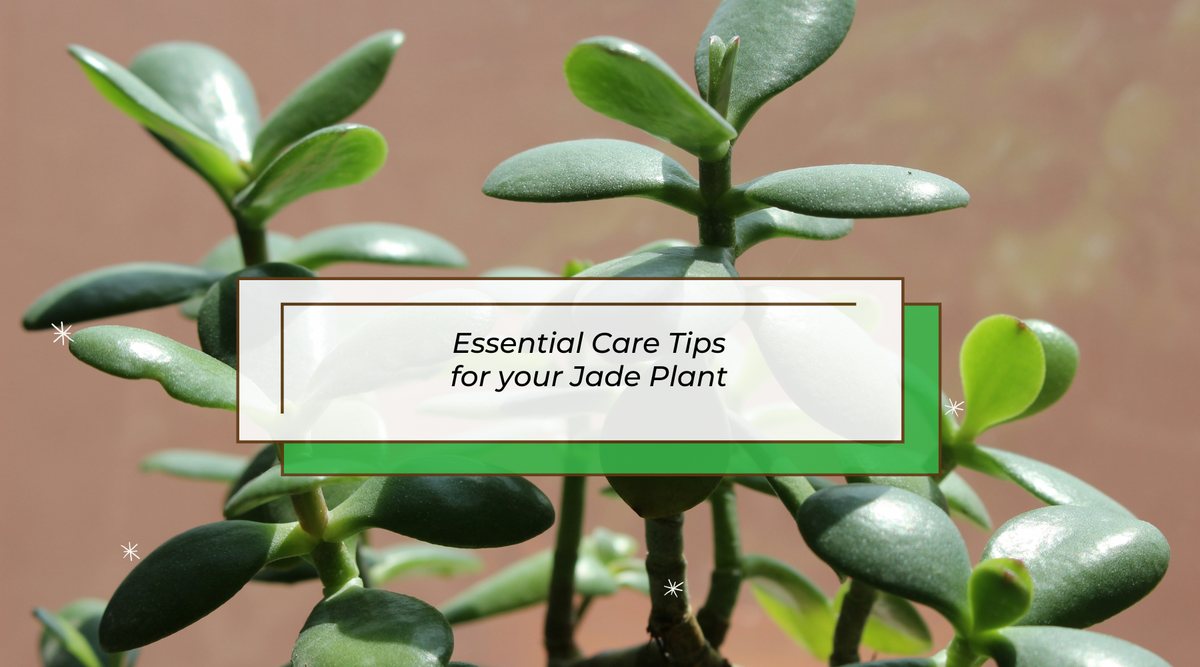
Essential Care Tips for Your Jade Tree Plant to Flourish
Continue reading
Jade plants, or Crassula ovata, are more than just eye catching succulents; they’re hardy, low maintenance, and can thrive for decades with the right care. With their thick glossy leaves and tree like, woody stems, Jade plants make the perfect addition to any plant collection. They’re an excellent choice for both beginners and experienced plant enthusiasts, requiring minimal watering and adapting to various indoor conditions. Whether you’re looking to start your Jade Plant journey or want to keep your existing one thriving, we’ll cover everything you need to know to keep your Jade Plant thriving for years.
What Are the Different Types of Monstera: A Comprehensive Guide
Continue reading
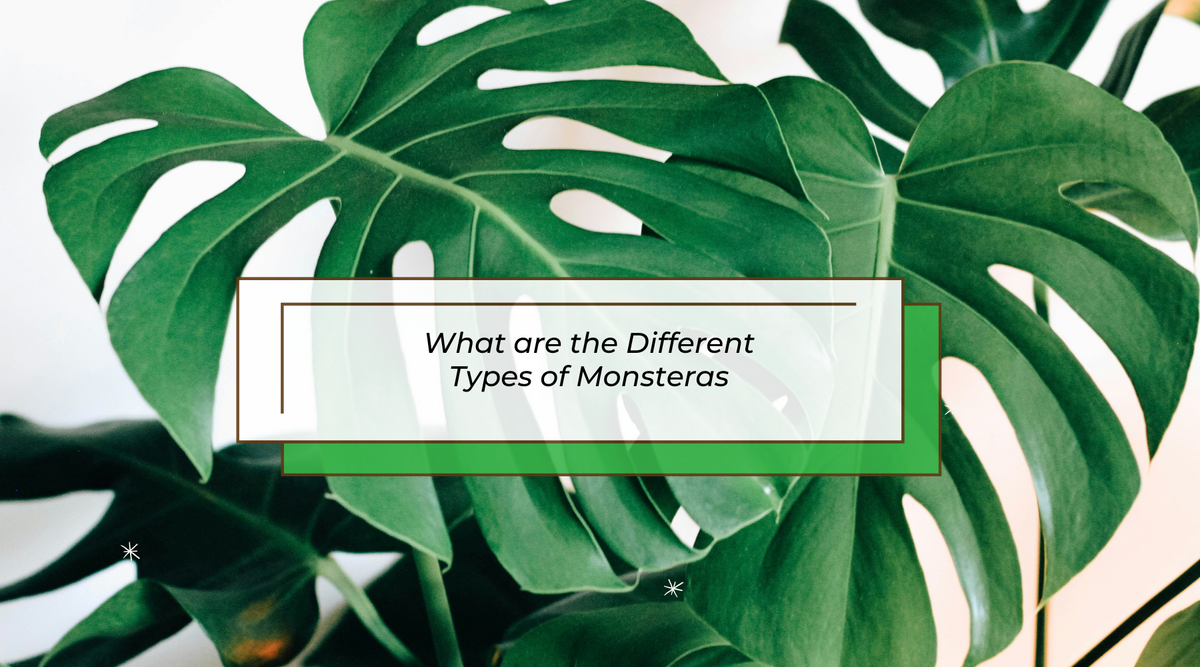
Monstera plants have taken the plant world by storm, captivating plant lovers with their dramatic foliage and unique growth patterns. While the classic Monstera deliciosa, with its iconic split leaves, is the most well known, there are many other varieties, each with its own distinct charm. From the delicate, lacy leaves of the Monstera adansonii to the rare and highly sought after Monstera obliqua, these plants offer endless beauty and intrigue.

Essential Tips for Caring for Bird of Paradise Plant Successfully
Continue reading
The Bird of Paradise plant is a tropical herbaceous plant native to South Africa, where it grows along the coasts among shrubs by the riverbanks. Bird of Paradise is known for its striking foliage but more so for its dramatic colorful flowers, resembling the head of a bird. This flower can range in colors from orange to midnight blue to white, with an elegant crane-like shape.

Why Do Monstera Plants Have Holes? Understanding Their Unique Leaves
Monstera Deliciosa, commonly known as “Swiss cheese plant” or “Split leaf Philodendron” are tropical plants native to the tropical forests of Central America. Monstera Deliciosa are great beginner plants for many plant parents and often times “the plant that started it all”. They’re known for their big, beautiful split leaves. Monstera’s in their early stages of life, in their juvenile form, will have solid, heart shaped green leaves with no holes. With proper care, age and light the leaves will start to mature, double in size and start developing those beloved splits and holes in their leaves.
Continue reading