


Pothos Types: The common and not so common varieties
The pothos plant, commonly known as Devil's Ivy and scientifically known as Epipremnum aureum, is the indoor plant everyone loves. With its heart shaped green leaves, trailing vines and ease of care, it makes a great beginner plant and is a staple for plant parents. If you've fallen in love with the everyday pothos, then let me introduce you to these other varieties of pothos plants.

Pothos types
Golden pothos
Golden pothos, also commonly called Devil's Ivy, is the most popular amongst pothos plants. It shows beautiful golden variegation amongst its green foliage. Often Golden pothos tend to revert to its all green variation. To avoid this, give your pothos more light and the gold will come right back.

Trailing Golden pothos
Photo by feey on Unsplash
Hawaiian pothos
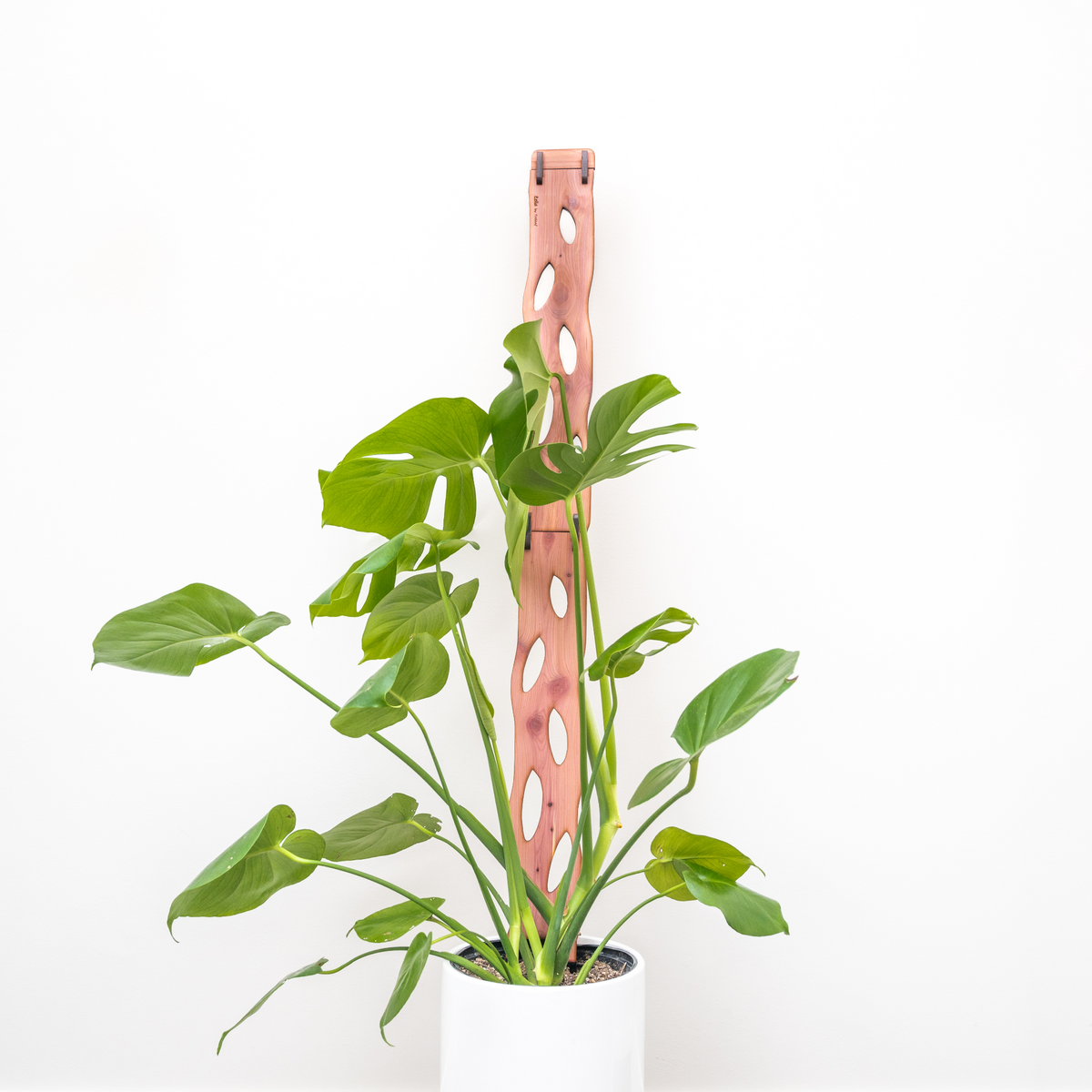
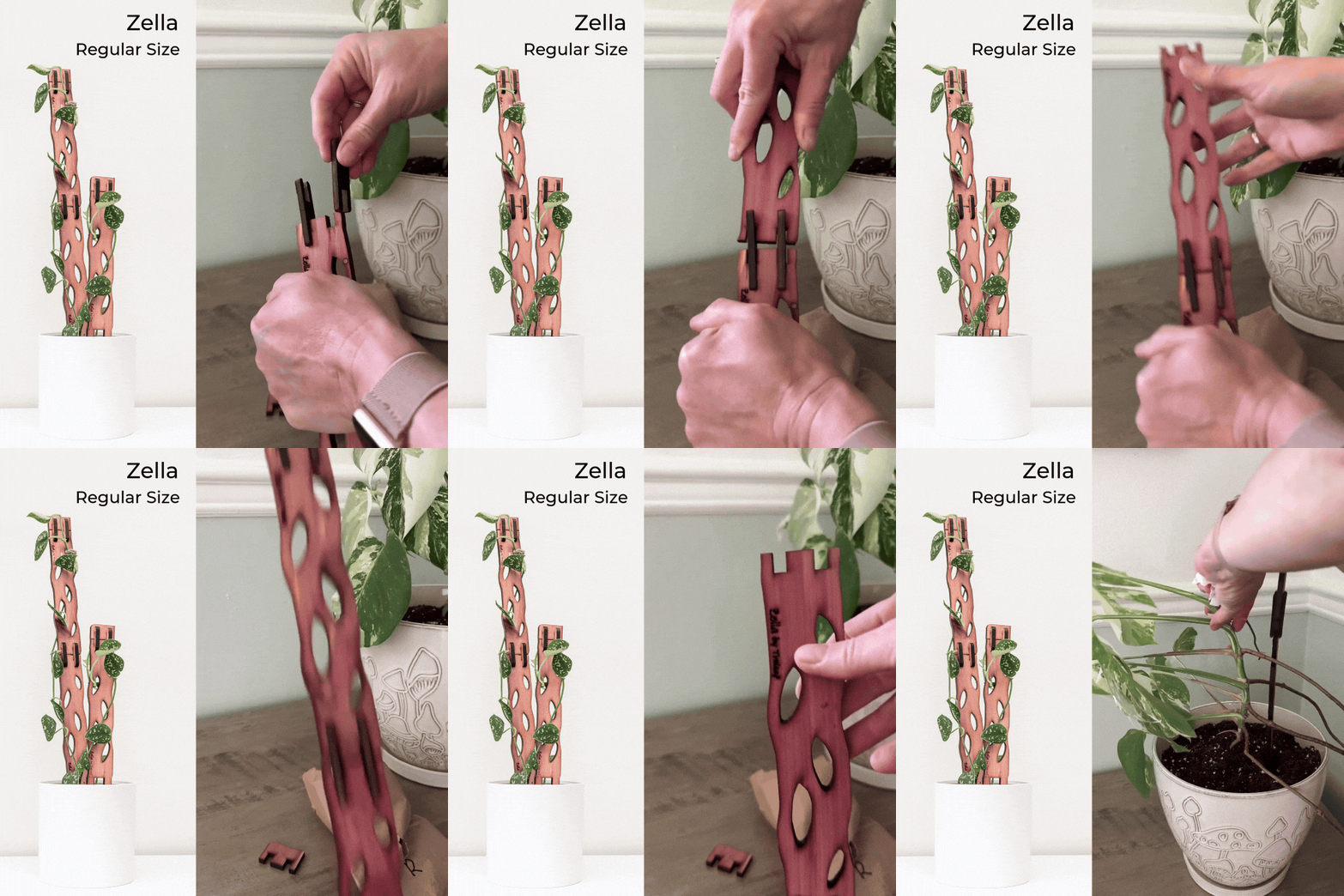
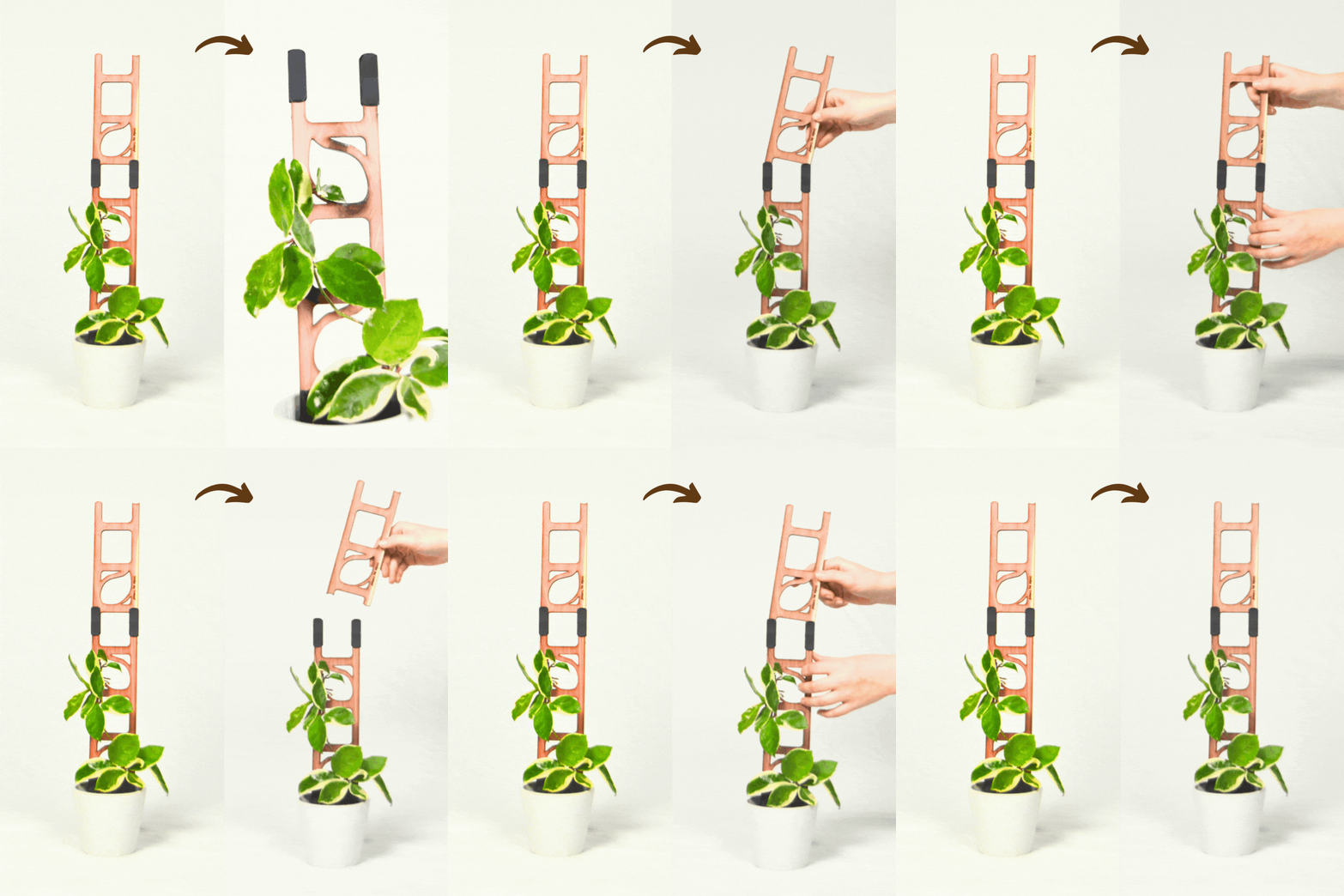
Hawaiian pothos looks a lot like Golden pothos, with the same green leaves and golden-yellow variegation. The difference is size: Hawaiian pothos grows much bigger leaves. To see how big they can get, give it something to climb. A wooden plank like the Zella trellis lets the vine attach and mature, and each new leaf comes in larger than the last.
Cebu blue pothos
Cebu blue pothos is different from the everyday pothos. First, it's scientifically known as Epipremnum pinnatum, and is native to the Cebu Islands in the Philippines. But what really sets this plant apart is its arrowhead shaped leaves that have a blue tint. Instead of dark green leaves, Cebu blue pothos has a blue/silver sheen to its leaves. And when grown as a climbing plant, the mature leaves grow splits and beautiful fenestrations.

Jessenia pothos
Jessenia pothos is another sport variegated variety of pothos, similar to a Marble queen pothos. The Jessenia pothos has heart shaped leaves that are marbled with bright chartreuse. The best thing about growing these variegated pothos plants is that you never know what the next leaf will look like. Given bright indirect light, the variegation might tone down a little. Given a little direct sunlight, they might give more chartreuse leaves than dark green leaves.
Global green pothos
Global green pothos is one of the newest pothos plants to hit the market. It was released by Costa Farms in early 2021. Global green pothos has medium green leaves with a lime green variegation. It has that beautiful bright chartreuse every plant parent lusts after, for half the price.

Baltic Blue pothos
Baltic blue pothos is another pothos cultivar released by Costa Farms. Similar to the Cebu blue pothos, it has those unique arrow shaped leaves but has dark green foliage rather than blue green leaves. In our experience, Baltic blue pothos is one of the easiest plants to grow as a climbing plant. As an experiment, we suggest getting your Baltic blue pothos to climb a wooden plank, like the Zella trellis from Treleaf, and enjoy watching the leaves grow bigger and start to mature. It will become a completely different plant.

Marble queen pothos
Marble queen pothos is another commonly found pothos. It's known for its cream-marbled leaves and, like the Golden pothos, will have more variegated foliage when given more light. The Marble queen pothos is the parent plant to a lot of the common variegated pothos plants we see every day.

Trailing Marble queen pothos
Photo by feey on Unsplash
Snow Queen pothos
Snow Queen pothos is often mistaken for Marble Queen, but its leaves are much whiter, with thin streaks of green rather than creamy marbling. All that white means less chlorophyll, so it grows slower than other pothos and needs bright, indirect light to keep its color. Keep it out of harsh direct sun, as the white parts of the leaves can scorch and turn brown.
Jade pothos
Jade pothos has solid green foliage free from any speckling or yellow variegation you may see in other pothos cultivars.

Jade pothos in hanging planter
Photo by feey on Unsplash
Satin pothos
Scindapsus argyraeus, commonly called satin pothos, is a vining plant with light green foliage that is speckled with silvery, reflective variegation. It also has a slightly velvet texture, which is why it's given the common name of "Silver satin pothos". Although it's called a pothos, it's actually a Scindapsus, a close relative of the true pothos (Epipremnum).

Manjula pothos
Manjula pothos is one of the most stunning plants compared to other pothos plants. It's characterized by its large heart shaped leaves with a white, green and cream variegation. Its leaves also have a slight waxy texture to them, which makes it easier to tell apart from other pothos cultivars.

Glacier pothos
Epipremnum aureum 'Glacier' is a small pothos variety with rounder leaves that have green and white variegation, similar to a Pearls and jade pothos. Glacier pothos will often have small flecks of silver variegation, which is the easiest way to tell the two apart.

Pearls and Jade
Pearls and jade pothos is a pothos cultivar that was created in 2009 by stem mutation of a Marble queen pothos. Pearls and jade pothos is known for its beautiful green foliage with white variegation. And similar to the Golden pothos, sunlight is a huge factor in its variegation. In indirect light, the leaves will turn more green. And to get more variegation, up the amount of light it receives.

Pearls and jade pothos
Photo by shuvrodeep dutta on Unsplash
N'Joy pothos
N'Joy pothos has small, heart-shaped leaves with crisp patches of white and green. It's often confused with Pearls and Jade, but N'Joy's variegation is cleaner, with clear blocks of white and green rather than the grey-green speckling you'll see on Pearls and Jade. It stays compact, which makes it a good pick for a shelf or desk.
Neon pothos
Neon pothos can be identified by its bright neon, chartreuse foliage. It's a nice way to add a pop of color in any indoor jungle.

Pot of Neon pothos
Photo by おにぎり on Unsplash
Shangri-La pothos
Shangri-La pothos is easy to spot: its glossy green leaves curl and cup inward instead of lying flat, which is why it's sometimes called curly pothos. It grows more slowly and stays more compact than most pothos, and the twisted leaves add texture next to your flat-leaved varieties.
Looking for ways to show off your pothos? See 4 ways to display pothos, from trailing shelves to climbing a trellis, or shop our trellises for pothos and philodendron.