


How to Stop Plant Saucers from Leaking (and What's Really Causing It)
By Zeba Parkar, November 2026
Quick answer: Most plant saucers that "leak" are actually doing one of four things: overflowing because they're too small or got too much water, seeping because they're unglazed terracotta, sweating condensation onto the table, or leaking through a crack. Use the quick check below to find out which one you have. Then empty the saucer 15–30 minutes after watering, use a watertight saucer that's wider than the pot, and put a cork coaster under it on wood furniture.
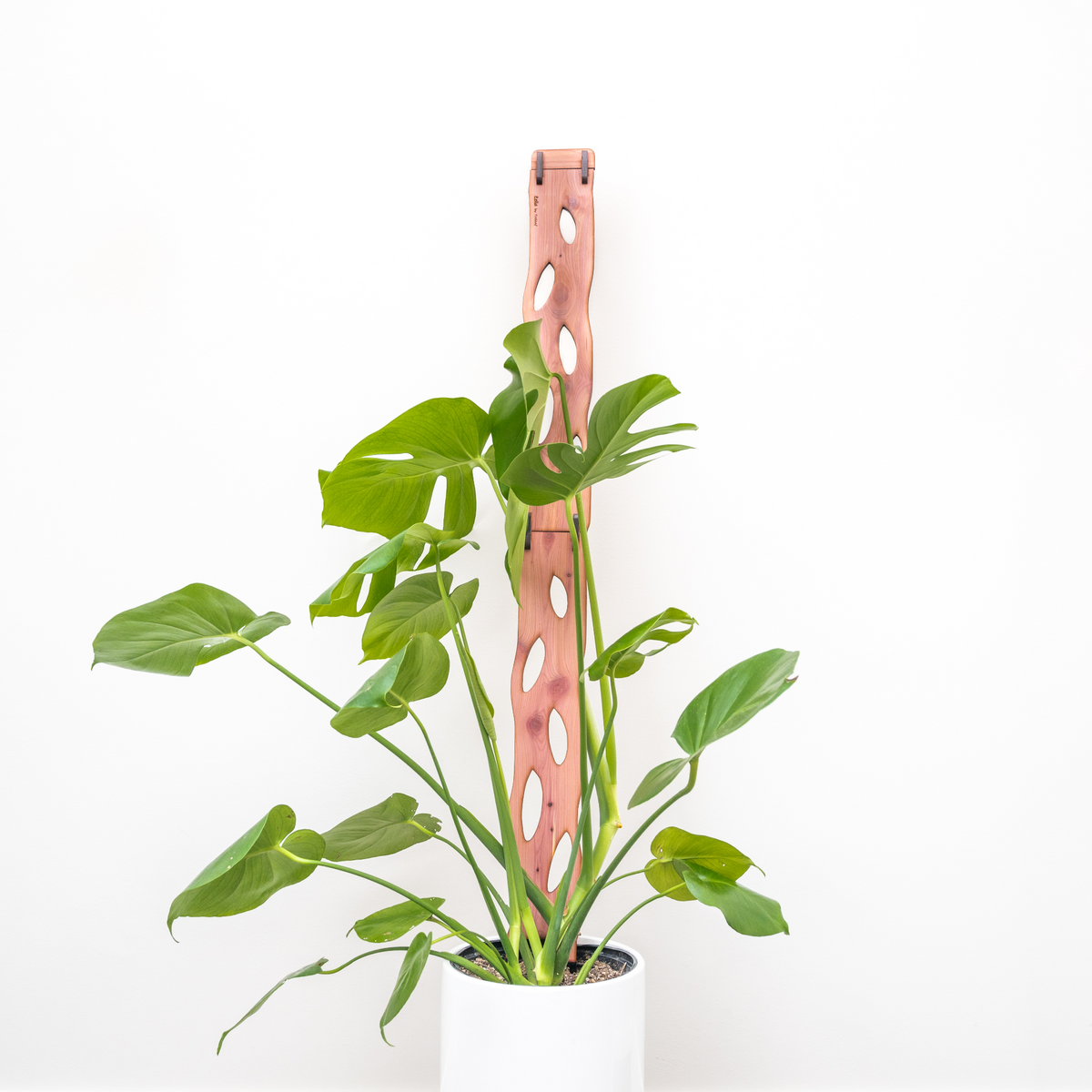
If you water from the top, a watertight saucer that raises the pot above the runoff, like our Tera Sausr, keeps roots out of standing water while the tray catches the drips.
Quick check: what kind of leak is it?
| What you see | Quick test | Likely cause | First fix |
|---|---|---|---|
| Water runs over the rim right after watering | Watch while you water | Too much water at once, or saucer too small or shallow | Water slowly in two rounds; use a wider, deeper saucer |
| Damp ring under an unglazed clay saucer hours later | Feel the bottom of the saucer: damp or darker | Terracotta is porous and lets water through | Seal it, set a liner inside, or switch to a watertight saucer |
| White or cloudy ring on wood under a plastic or glazed saucer | Bottom of the saucer has droplets, especially on humid days | Condensation | Cork coaster underneath; empty standing water |
| Puddle grows even when you haven't watered | Fill the empty saucer, set it on a paper towel overnight | Crack or pinhole | Replace the saucer |
| Water lands next to the saucer | Check where the drainage holes sit | Pot is too wide for the saucer, or off-center | Center the pot; use a saucer about 1–2 inches wider than the pot's base |
| Saucer is fine but the soil stays soggy | 30 minutes after watering, the pot still sits in water | Pot sitting in its own runoff | Empty the saucer, or raise the pot above the water |
1. The saucer overflows
This is the most common one. Water goes through the soil faster than you'd think, especially in dry or chunky potting mix, and a shallow saucer fills up before the soil has soaked anything up.
- Water in two rounds. Pour slowly until the first drips appear at the drainage holes, wait a minute, then add a little more. The soil absorbs more and less runs straight through.
- Stop at the first drips. Some runoff is good, because it flushes salts out of the soil, but you don't need a flood out of the bottom every time.
- Check the soil before you water. If the top inch or two is still damp, wait. See how often to water houseplants.
- Size up the saucer. As a rule of thumb, the saucer should be about 1–2 inches wider than the base of the pot and have a raised lip.

2. Terracotta saucers seep
Unglazed clay saucers look great, but clay is porous. Water slowly works through the clay and leaves a damp or white ring underneath, which can mark wood floors and furniture. Unglazed ceramic does the same.
- Seal it. Brush a clear waterproof sealer labeled for terracotta or masonry on the inside and the bottom. Let it cure fully (follow the label) before you use it again.
- Add a liner. A clear plastic saucer set inside the clay one keeps the look and stops the seep.
- Or switch to a watertight saucer. Glazed ceramic, plastic and PLA don't let water through the material.
3. Condensation, not a leak
If the saucer is plastic or glazed and the water ring shows up on humid days or after you water with cold water, it's probably condensation. Moisture forms on the outside of the cool saucer and runs down onto the table. It's slow, but it marks wood over time.
- Put a cork coaster under the saucer. Cork handles moisture and doesn't slide. We use a Kostr under a Sausr on wooden shelves.
- Empty standing water after watering, since a saucer full of cool water sweats the most.
- Water with room-temperature water.

4. A crack or pinhole
Old plastic saucers get brittle, and clay ones crack if they freeze outside. To test, fill the empty saucer with water, set it on a paper towel and leave it overnight. If the towel is wet, replace the saucer. Patches rarely hold for long.
5. The pot doesn't fit the saucer
If the pot's drainage holes sit outside the tray, or the pot sits off-center on a narrow saucer, the water simply misses it. Center the pot, and check that the saucer is wider than the pot's base, not just the same size as its top.
How to get water out of a saucer under a heavy plant
You don't need to lift a floor plant to empty its saucer:
- Turkey baster: suck the water up and empty it into a cup.
- Sponge or towel: soak it up and wring it out.
- Water less at a time: if you're draining a big saucer after every watering, you're probably pouring more than the soil can hold.
Should you leave water in the saucer?
Not if the pot is sitting in it. Roots in standing water can't get air, which leads to root rot, soggy soil and fungus gnats. Empty the saucer 15–30 minutes after watering. See signs of overwatering.
It's fine to leave water in the tray if the pot is raised above it. Then the water just evaporates around the plant, the way a pebble tray works.
The exception is bottom watering, where the plant sits in water on purpose for a set time. See watering plants from the bottom.
What to look for in a saucer that won't leak
- Watertight: plastic, glazed ceramic or PLA, or terracotta you've sealed.
- Wider than the pot's base by about 1–2 inches, with a raised lip.
- Deep enough to hold one watering's runoff.
- Raises the pot above the water, if you water from the top and don't want to empty it every time.
- Something underneath on wood: a cork coaster.

Shop the fix
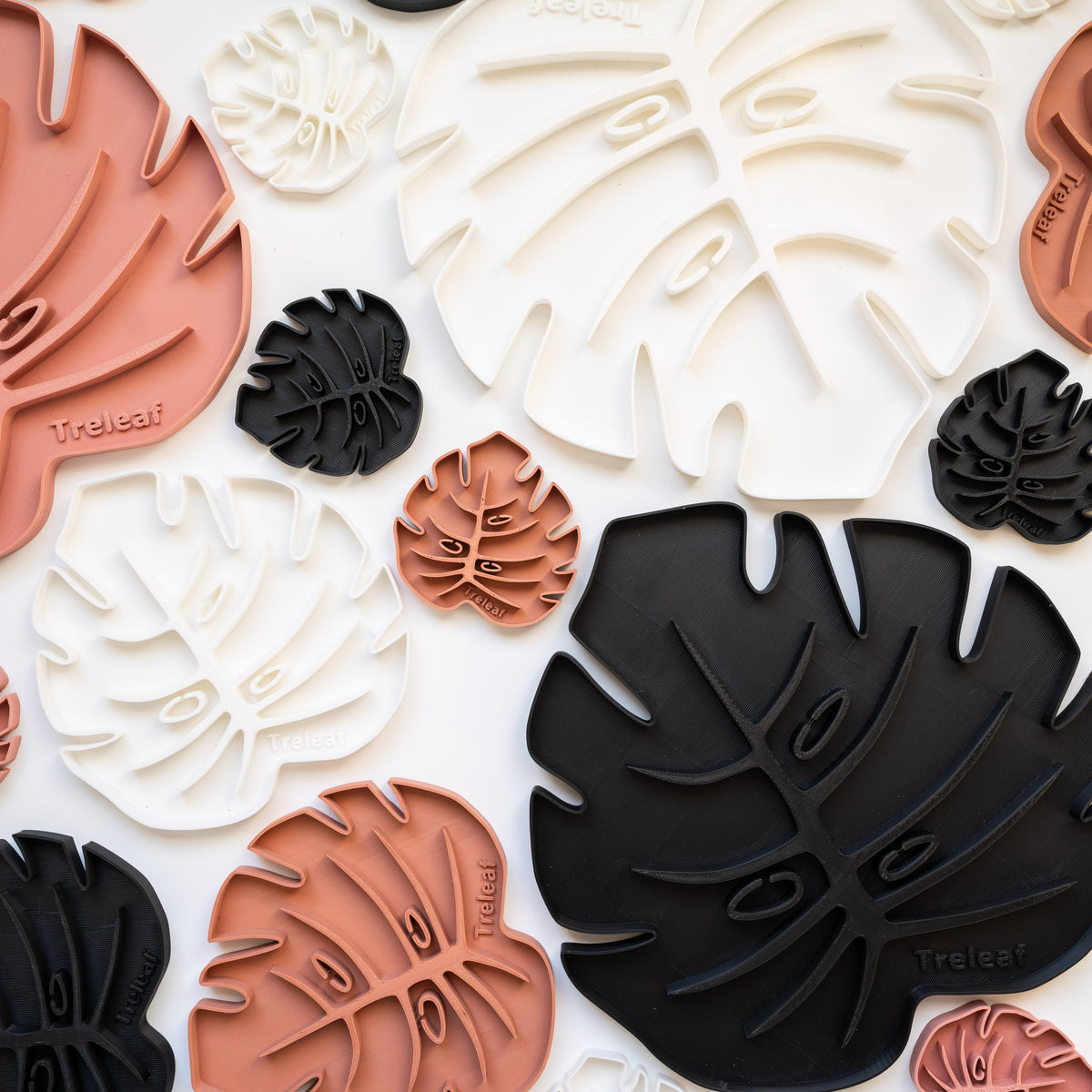
We designed our saucers around the overflow and soggy-roots problem. They're watertight, made in Georgia and shaped like the leaves they're named after.
- Tera Sausr: monstera leaf-shaped saucer that holds the pot above the runoff, so roots stay out of the water. For top watering.
- Lili Sausr: same idea, lily pad shape.
- Kostr cork coaster: goes under a Sausr on wood furniture to catch condensation.
- Mia: only if you bottom water. The 1-inch-deep tray is meant to hold water for the roots.
Which size? Tera and Lili 4" fit pots up to 3", 6" fit pots up to 5", and 10" fit pots up to 8".
FAQ
Is it okay to leave water in a plant saucer?
Only if the pot isn't sitting in it. Water touching the bottom of the pot keeps the soil soggy and can cause root rot. Empty it 15–30 minutes after watering, or use a saucer that keeps the pot raised above the water.
What's the best way to seal a terracotta saucer?
Use a clear waterproof sealer labeled for terracotta or masonry. Coat the inside and the bottom, and let it cure fully before use. A plastic liner inside the saucer is a no-mess alternative.
Why is there a water ring under my plant saucer?
Either the saucer is porous (unglazed clay), it's sweating condensation, or it has a crack. Feel the bottom of the saucer and do the paper towel test above to tell which.
How do I make a DIY drip tray?
Any shallow, waterproof dish that's wider than the pot's base works: a baking tray, a plastic container lid or a glazed plate. Add a layer of pebbles to keep the pot above the water.
What should I put under plant pots indoors to protect the floor?
A watertight saucer that's wider than the pot, plus a cork coaster or mat underneath it on wood or carpet.