
Heart Shaped Leaf Plant: Share the Love with Plants Having Heart Shaped Leaves
Houseplant foliage comes in all types of shapes, sizes and colors, but the plants with heart shaped foliage are particularly beautiful. Heart-shaped leaf plants with purple flowers and yellow flowers add a stunning visual appeal to any space. Some large floor plants with heart shaped foliage add the perfect pop to any corner in your house while the trailing and climbing plants perfectly compliment any window. Many plants with heart-shaped leaves are available, offering a wide variety for plant lovers and enhancing home décor. Heart-shaped leaf plants with purple flowers and yellow flowers can brighten up any space. They also are great gifts for special occasions (Valentine’s Day, Mother’s Day, Birthdays…). Many of these plants are native to the tropical rainforests of Central and South America, which contributes to their lush and vibrant appearance.
General Care Tips:
Popular care requirements for heart-shaped leaf plants include bright, indirect sunlight and regular watering when the top inch of soil feels dry. Overwatering heart-shaped leaf plants can cause yellowing leaves, while insufficient light can result in small or leggy growth.
Here’s a list of some of the best plants with heart shaped foliage.
Hoya Heart (Hoya Kerrii)
Hoya kerrii, also known as the sweetheart Hoya, is one of the first heart shaped plants that comes to any plant parent’s mind. This wax heart plant has perfectly shaped heart leaves. The Hoya Heart is also considered a succulent plant due to its thick, fleshy leaves. As it matures, the Hoya will start vining down and soon it will be filled with those beautiful heart shaped leaves.

Single leaf Hoya kerrii
Photo by feey on Unsplash
This plant is a popular gift and is often found in garden centers sold as a single leaf around Valentine’s Day. Unfortunately, many times this heart shape plant will remain a single leaf because they don’t contain a node. But they make a cute addition to any window sill or office desk, making the Hoya Heart an ideal plant for small spaces or as a thoughtful gift.

Place in bright light and water twice a month or when the leaf starts to feel limp.
Anthurium (Laceleaf, Flamingo Flower)
Otherwise known as flamingo flower, Anthurium is also referred to by several common names, such as Laceleaf and Flamingo Lily, making it one of the easiest in the Anthurium genus to identify. Anthuriums are native
to the tropical rainforests throughout Central and South America, which explains their lush, vibrant foliage and striking blooms. The foliage on the flamingo flower plant have oblong green hearts. As the plant matures it can be several feet tall and the leaves will grow in size and can be quite beautiful. But the Anthurium laceleaf is best known for its blooms. The Anthurium is a popular flowering plant known for its vibrant and long-lasting blooms. These blooms can range in color from black to red to pink to yellow flowers.
Anthuriums prefer bright, indirect light and consistent moisture, making them suitable for indoor environments where they can thrive with proper care.

Anthurium flamingo flower foliage and bloom
Photo by Jo Brady on Unsplash
Heartleaf Philodendron
Heartleaf Philodendron, whose botanical name is Philodendron hederaceum, is a heart leaf philodendron that’s most commonly sold and grown as a trailing plant in a hanging basket. This heartleaf Philodendron has a variety of low maintenance cultivars with different types of green leaves. Its trailing stems and trailing vines make it especially attractive in hanging baskets or as a climbing plant. Some of these heart shaped leaves can be solid green, all neon green, emerald green with a strip of lime down the middle or variegated. Heartleaf Philodendron thrives in moderate to low light and is forgiving of inconsistent watering, making it an ideal choice for novice gardeners.

Trailing Philodendron micans
Photo by feey on Unsplash
You can also grow this plant as a climber. While the plant grows, attaching it to a wooden plank like Zella, or a decorative wooden trellis like Palmella or moss pole will encourage mature growth. Maintaining consistent moisture in the soil is important for healthy growth.
Golden Pothos
Golden Pothos, a popular variety of Pothos plants, is considered one of the most popular houseplants and doesn’t necessarily have the most pronounced heart-shaped leaves, but it’s a great addition to any indoor jungle. Pothos and Philodendron are often confused due to their similar appearance, particularly their heart-shaped leaves, but they have distinct differences in leaf texture and stem structure.
Trailing Pothos plants are easy to grow, have fairly easy care, and look great in hanging baskets. They can also tolerate part shade/low light and are great if you tend to miss a watering day or two. Golden Pothos thrives with moderate light and moderate watering for optimal growth. You could also grow devil’s ivy up a wooden plank or moss pole for bigger growth, like the extendable wooden plank, Zella by Treleaf.

Pothos on Treleaf wall mount
Monstera (Swiss cheese plant)
One of the most popular plants, Monstera, is loved for its beautiful and dramatic splits and fenestrations. In its juvenile form, they have the cutest little heart shaped leaves. If you want enjoy those heart shaped leaves, buy a juvenile Monstera deliciosa or plant some seeds.

Monstera deliciosa leaves
Photo by Hayley Maxwell on Unsplash
This plant is also called the “Swiss cheese plant“ due the holes it forms. Monstera is sometimes mistaken for the split leaf philodendron, but they are distinct plants with different growth habits and leaf shapes. It’s believed these holes, or fenestrations, help the foliage withstand severe weather out in nature.
Monstera deliciosa is a hardy plant. It is a popular indoor plant due to its adaptability and striking appearance. Water when the soil is dry and place in bright indirect light. Monstera can also benefit from some exposure to sun, especially gentle morning sun, but should be protected from harsh direct sunlight.

Variegated Monstere deliciosa
Photo by Huy Phan on Unsplash
Philodendron Gloriosum
Philodendron gloriosum is the perfect heart shaped plant. It’s a crawling Philodendron, meaning it will grow across its pot rather than up. With the right humid conditions, the dark green hearts will continue to grow in size. The plant's deep green leaves have a striking, lush appearance that makes them stand out in any collection. Soon you’ll have a beautiful heart shaped leaf that looks so pillowy and dreamy.
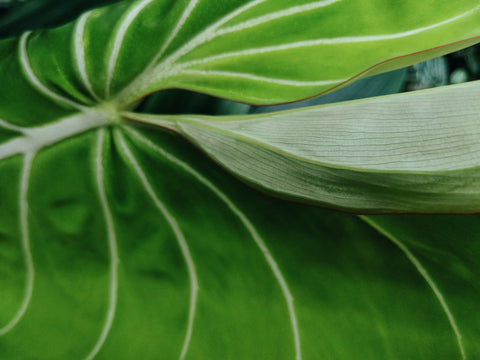
Philodendron gloriosum leaf
Photo by Olena Shmahalo on Unsplash
Philodendron gloriosum prefers to have the soil moist and bright indirect sunlight. It is a popular houseplant due to its unique foliage and manageable care requirements. Humidity is key to growing this plant, or any velvet leaf plant, successfully.
String of Hearts
String of hearts is a popular houseplant known to have beautiful cascading vines with little heart shaped leaves trailing down. This trailing plant is also considered a trailing succulent due to its care requirements. String of Hearts features thin stems in a distinctive purple shade, which adds to its delicate, trailing appearance. String of hearts like direct sunlight and do best in a south facing window. Water the entire plant when the little green hearts feel limp and are easy to bend.
String of Hearts requires bright indirect light and moderate watering, allowing the soil to dry out between waterings to prevent overwatering.

String of hearts in terra-cotta pot
Photo by Emily Liang on Unsplash
The String of hearts come in several different cultivars. The variegated String of hearts, have the cutest little pink heart shape leaves while the Silver glory has foliage with a more silver appearance and more rounded heart shape.

Trailing String of Hearts
Photo by feey on Unsplash
Philodendron Plowmanii
Like Philodendron gloriosum, Philodendron plowmanii is another plant with heart leaves but have that typical glossy finish rather than a velvet one. This tropical plant thrives in humid conditions and bright indirect light, making it a perfect addition to any indoor jungle. Native to the tropical rainforest, this contributes to its lush and vibrant appearance. This also makes the plant easier to care for since velvety leaves are spider mite magnets and also require higher humidity. With the correct amount of bright indirect light, Philodendron plowmanii will grow more pronounced heart shaped leaves as it matures, making it the perfect sweetheart plant. New leaves often emerge with a lighter or bronze tinge before deepening in color as they mature.
Make sure Philodendron plowmanii dries out in between waterings. Water only when the top inch of soil feels dry. Keep the plant in bright indirect light and give it some slight humid conditions to prevent leaves from getting stuck and tearing when they unfurl.
Trees and Shrubs with Heart
Bleeding heart plant
The Bleeding heart plant, or Lamprocapnos spectabilis, is a woodland, shade loving plant that blooms in the beginning of spring. It is a perfect addition to any shade garden due to its delicate blooms and foliage. The plant puts out a long arching stem where the most perfect heart shaped flowers dangle from. Before the flowers appear, the leaves emerge in a rosette pattern, adding to the plant's unique visual appeal. Beneath each bloom is a single white petal that gives the plant its common name.

Bleeding heart blooms
Photo by Oks Malkova
Caladium
Caladium is another plant with heart shaped leaves perfect for the outdoors. Caladiums are popular ornamental plants due to their vibrant colors and striking leaf patterns. Similar to Caladiums, arrowhead plants (Syngonium) are also known for their arrow-shaped foliage and easy care requirements. Caladium come in many different colors and grow from a single bulb. These bulbs can be planted in the ground in early spring and will sprout their heart shaped leaves in a few short weeks. Caladiums like bright indirect during the growing season and thrive in humid regions. Over time, the Caladiums will eventually grow more bulbs and can spread throughout your garden bed.
The Arrowhead Plant, or Syngonium, features heart-shaped leaves that can vary in color, including shades of green, white, and burgundy, and is known for its easy care and adaptability as a houseplant.

Speckled Caladium
Photo by Pixabay